Choosing a hamper can feel like picking a favorite pair of shoes—there are endless options, and the wrong choice can leave you stuck in a loop of disappointment and waste. If you’re looking to make a smart, eco‑friendly purchase, the key question is: how to avoid choosing a hamper that is not refillable? This article walks you through the pitfalls, the red flags, and the golden rules that will keep your hamper—and your conscience—happy.
Understanding the Refillable Advantage
When a hamper is refillable, it’s not just a container; it’s a promise of longevity. Think of it as a reusable shopping bag that never gets tired of carrying groceries. A refillable hamper can be cleaned, restocked, and reused for years, turning a one‑time purchase into a lasting investment. The benefits ripple across three main areas:
- Environmental impact: Fewer single‑use plastics or paper boxes reduce landfill waste. Economic savings: Over time, you pay less for replacements and refills. Convenience: You can swap out contents without buying a new hamper each time.
The Refillable Mindset
Adopting a refillable mindset means looking beyond the initial cost. It’s about asking whether the hamper will adapt to your future needs and whether it can be replenished without breaking the bank or the planet.
> “The true value of a product lies in its ability to serve repeatedly, not just once.” – Sustainable Living Quarterly
Spotting the Red Flags
Even seasoned shoppers can fall into the trap of a non‑refillable hamper. Here’s how to read the signs before you commit.
Material Matters
- Single‑use plastics: Often labeled as “disposable” or “single‑use” and usually lack a sturdy base. Paper or cardboard: While eco‑friendly, many are not designed for repeated use, especially if they’re not reinforced. Thin or flimsy construction: A hamper that bends or cracks under weight is a clear warning.
Design Features
- No handle or poor handle design: Handles that snap or feel weak suggest the hamper isn’t meant for frequent transport. No seal or lid: Without a proper seal, contents can spill or lose freshness, hinting at a disposable design. No labeling or product information: A lack of details on durability or refill instructions can be a red flag.
Price Point Paradox
If the price is suspiciously low—especially for a high‑quality brand—question whether the hamper is truly refillable. Cheap prices often mean cheaper materials that don’t hold up.
> “A bargain can be a trap; the true cost is in the Australian pamper hampers waste it creates.” – Eco‑Savvy Advisor
Checklist for a Refilling‑Ready Hamper
Before you hit “buy,” run through this quick checklist. Think of it as a safety net that catches the “not refillable” falls.
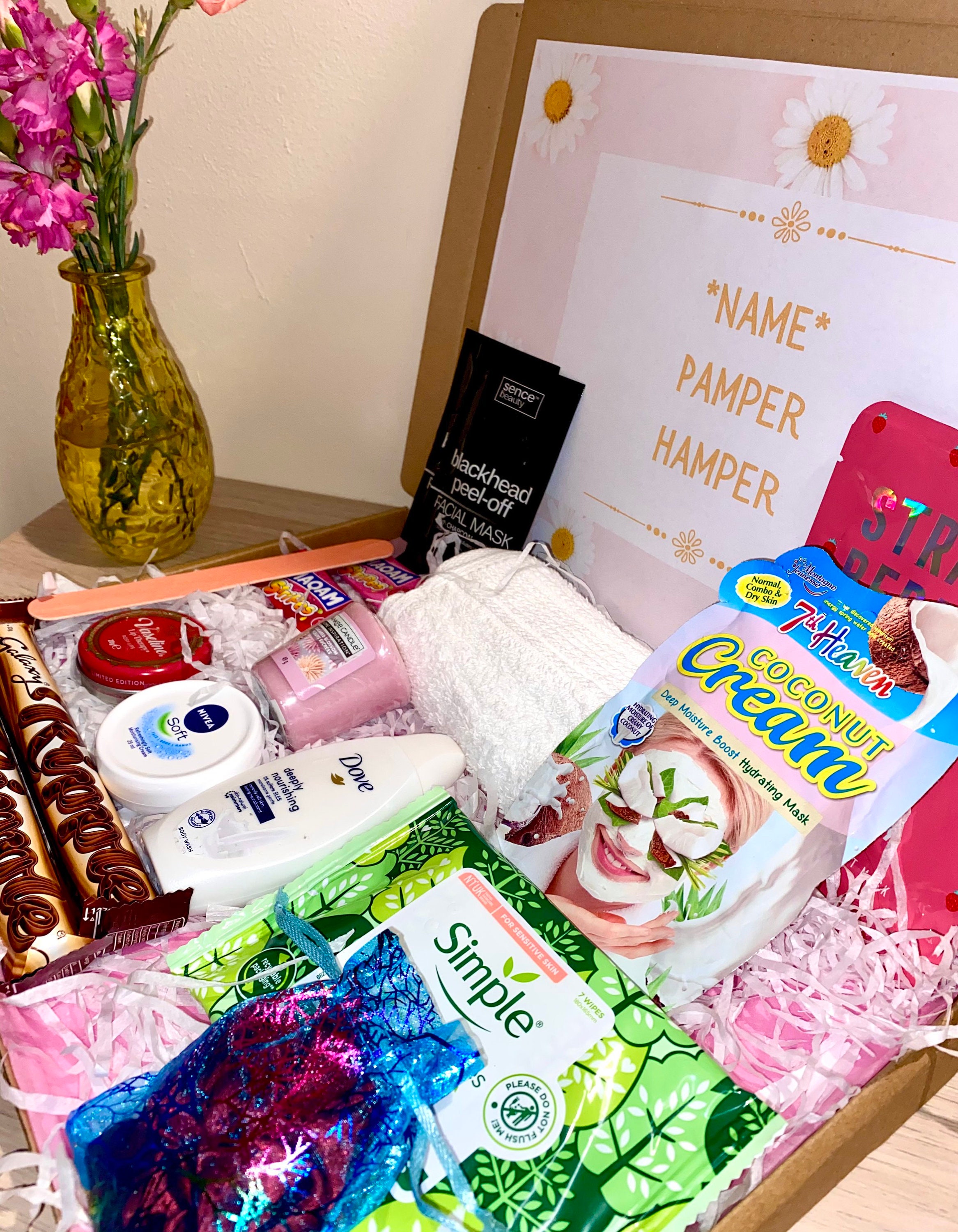
1. Examine the Construction
- Sturdy base: Look for a flat, reinforced bottom. Durable seams: Seamless or double‑stitched edges indicate longevity.
2. Test the Handle
- Grip strength: Hold the handle; it should feel secure, not slippery. Weight capacity: Ask the retailer or check online reviews for how much weight the hamper can hold.
3. Verify the Seal
- Latch or zipper: A good seal keeps contents fresh and prevents spills. Ease of opening/closing: It should be simple yet secure.
4. Look for Refill Information
- Manufacturer’s instructions: A refill guide or refill kit availability is a plus. Compatibility: Check if the hamper can accept standard refill containers or bags.
5. Read Reviews
- Long‑term feedback: Look for comments about durability over months or years. Sustainability mentions: Reviews that highlight eco‑friendly aspects are a good sign.
Where to Find the Best Refilling Hampers
Finding the right hamper is like hunting for a hidden treasure. Here’s where to start your search.
1. Specialty Eco‑Retailers
- Eco‑boutiques: Focus on sustainable products and often carry refillable options. Online marketplaces: Sites like Etsy or Amazon have filters for eco‑friendly or reusable items.
2. Brand‑Specific Stores
- Brands known for sustainability: Look for labels such as “Made in the USA” or “Zero‑Waste Commitment.” Direct‑to‑consumer: Many companies sell refillable hampers directly, allowing you to ask questions.
3. Community Exchanges
- Local swap meets: You can often find used but still functional hampers. Co‑op stores: These often promote refillable products and community sharing.
4. Retailer Loyalty Programs
- Points for sustainable purchases: Some programs reward eco‑friendly choices, nudging you toward refillable options.
Why Refillable Hampers Matter for Sustainability
Choosing a refillable hamper is more than a practical decision; it’s a statement about the kind of world you want to live in. By reducing single‑use waste, you help lower landfill volume, conserve resources, and cut down on the energy used to produce new containers. Moreover, a refillable hamper encourages a circular economy—products are used, refilled, and reused rather than discarded.
The Ripple Effect
- Less waste: One hamper can replace dozens of disposable ones. Lower carbon footprint: Fewer manufacturing cycles mean fewer emissions. Community impact: When you choose refillable, you set a trend that others may follow.
Making Your Selection Count
Now that you’ve armed yourself with knowledge, it’s time to put it into action. When you walk into a store or scroll through an online catalog, keep the following in mind:
- Ask the right questions: “Is this hamper refillable?” “What materials were used?” “Can I refill it with standard containers?” Inspect before you buy: Feel the handle, examine the seams, and test the seal. Check for refill options: A hamper that comes with a refill kit or has a compatible refill system is a win.
Remember, a refillable hamper is like a reliable friend—it stays with you through thick and thin, never letting you down. By choosing wisely, you’re not just buying a product; you’re investing in a cleaner, more sustainable future.
---
* Take the first step today*: look for a hamper that says “refillable” in its description, or ask your retailer about it. Your wallet, the planet, and your future self will thank you.